

Small Brush Manufacturers Accelerate Transformation to Survive Intense Competition
Small Brush Manufacturers Accelerate Transformation to Survive Intense Competition
The global cosmetic brush and bristle market is witnessing unprecedented competition, with small manufacturers caught in a squeeze between rising costs, price wars, and evolving consumer demands. As industry giants leverage economies of scale to dominate mainstream markets, smaller players are being forced to accelerate transformation—turning challenges into opportunities through innovation, niche targeting, and strategic agility.
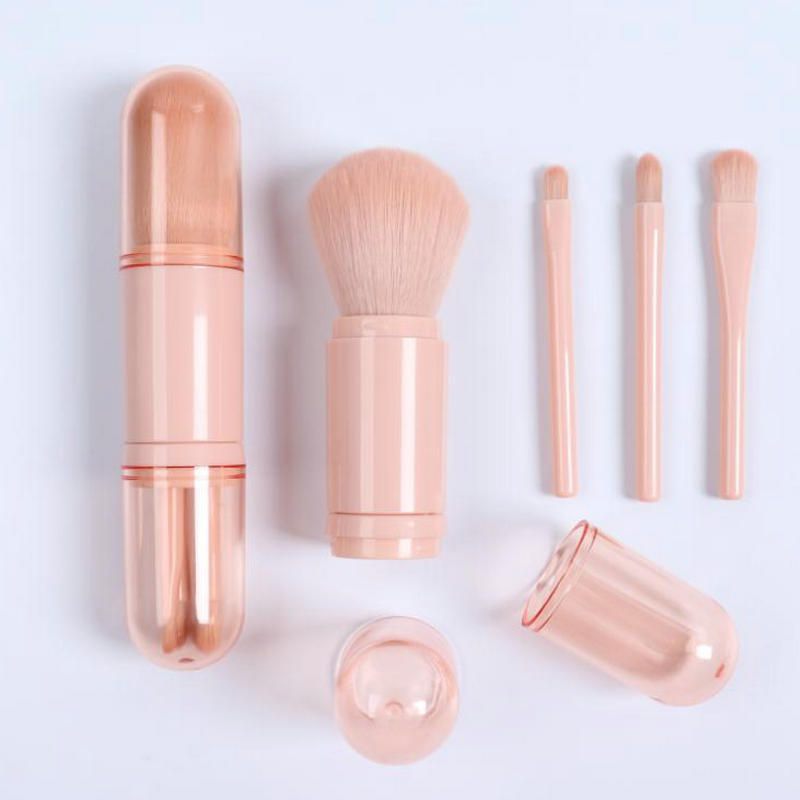
The pressure on small brush manufacturers stems from multiple fronts. Raw material costs, particularly for high-quality synthetic bristles and sustainable materials, have surged by 15-20% in the past two years, squeezing profit margins. Meanwhile, large corporations with vertically integrated supply chains can undercut prices, leaving smaller firms struggling to compete on cost alone. Adding to this, modern consumers are no longer satisfied with generic products; they seek cruelty-free, eco-friendly, and customizable options, pushing manufacturers to rethink traditional production models.
To survive, small manufacturers are pivoting toward three core transformation strategies. First, technological upgrading is becoming non-negotiable. Many are investing in semi-automated production lines to reduce labor costs while improving precision. For instance, a family-owned brush factory in Zhejiang recently adopted AI-driven bristle trimming machines, cutting production time by 30% and minimizing material waste. Smaller firms are also partnering with material science labs to develop proprietary bristle blends—such as bamboo-based fibers or recycled polyester—to differentiate their products from mass-produced alternatives.
Second, niche market specialization is proving to be a lifeline. Instead of competing with giants in the saturated consumer market, small manufacturers are targeting underserved segments: professional makeup artists seeking ultra-soft blending brushes, indie beauty brands needing custom-branded tools, or eco-conscious consumers demanding zero-waste packaging. A small manufacturer in Guangdong, for example, now focuses exclusively on vegan brush sets with biodegradable handles, securing partnerships with 10+ sustainable beauty startups in Europe and North America. This niche focus allows them to charge premium prices, offsetting higher production costs.
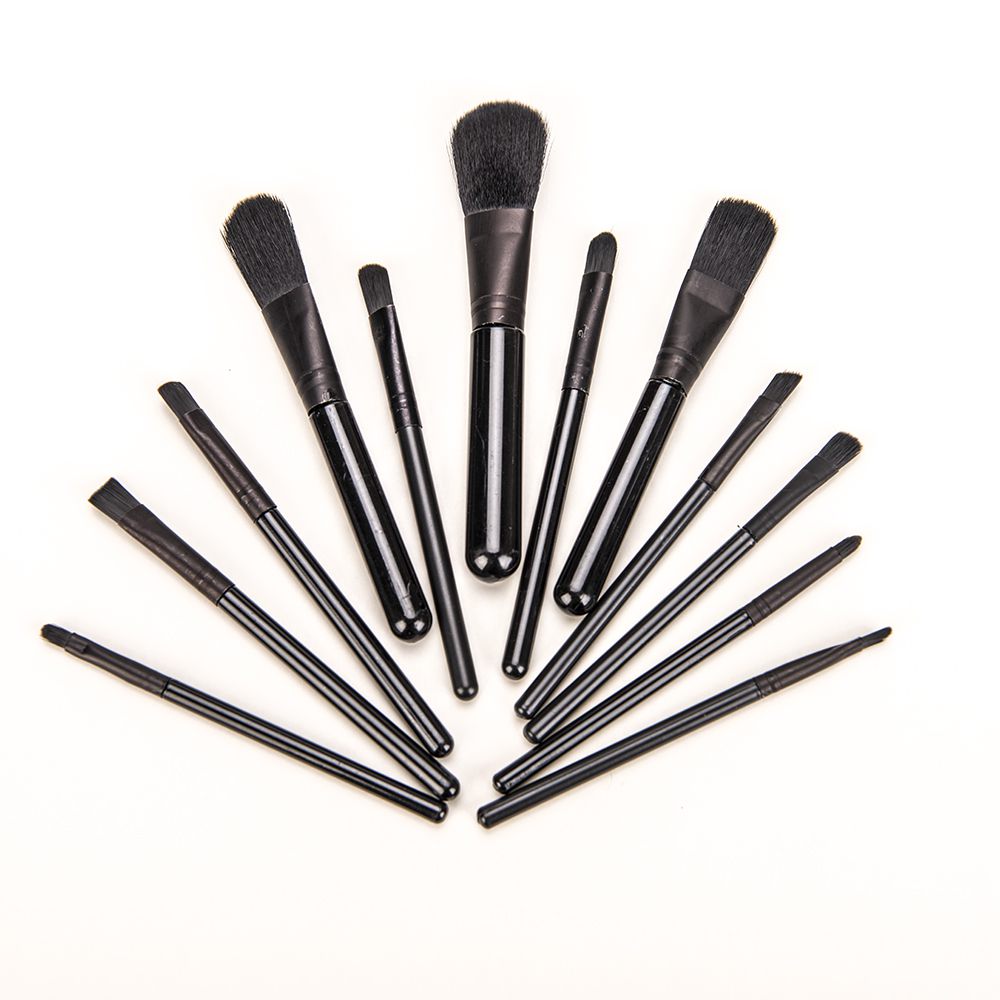
Third, digital transformation is bridging the gap between small manufacturers and global customers. With limited budgets for traditional marketing, smaller firms are leveraging social media and e-commerce platforms to build direct relationships. Short-form videos on TikTok and Instagram Reels showcasing brush craftsmanship—from bristle sorting to hand-assembly—have gone viral, humanizing brands and attracting loyal followings. Many are also using data analytics to track consumer trends, quickly adjusting product designs (e.g., launching smaller, travel-sized brush sets post-pandemic) to meet shifting demands.
Sustainability, too, is emerging as a key differentiator. Smaller manufacturers, unburdened by legacy systems, can adopt green practices faster than larger competitors. This includes using water-based adhesives, recyclable packaging, and carbon-neutral shipping. Certifications like Leaping Bunny (cruelty-free) or FSC (sustainable wood handles) are no longer optional but critical for accessing eco-conscious markets in Europe and North America.
The road to transformation is not without hurdles. Small manufacturers often face funding constraints for tech upgrades and R&D. However, collaborations—such as joining industry clusters or partnering with trade associations—can pool resources and reduce costs. Government initiatives in export-oriented regions, like subsidies for green manufacturing, are also easing the transition.
In a market where "business as usual" leads to obsolescence, transformation is no longer a choice but a survival imperative. Small brush manufacturers that embrace innovation, niche specialization, and digital agility are not just surviving—they are carving out sustainable, profitable niches in the global beauty industry. The future belongs to those who can turn flexibility into a competitive edge, proving that size is not the only measure of success.


